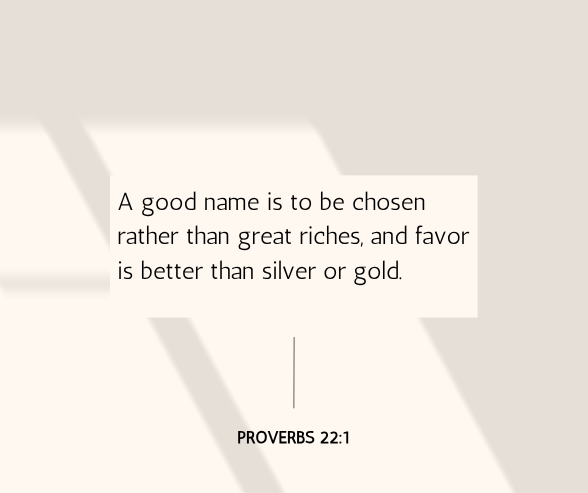
Honesty is the foundation of a strong personal brand, but it is a building block some people opt to leave out.
A recent survey by AI Resume Builder found that 10% of job seekers admitted to lying on their resumes, often about dates of employment, responsibilities, or skills. While some may see small misrepresentations as harmless shortcuts, the long-term cost to your integrity can be steep. Of those who admitted to lying on their resume, 81% said they believe the lie helped them get a job.
A lie may contribute to a short-term win, but once trust is broken, careers can suffer.
Personal branding isn’t just about showcasing talent; it’s about projecting credibility.
When your reputation is built on truth, every success is genuine. Even if you miss out on a position now, maintaining honesty ensures future opportunities that align with your authentic strengths. A resume grounded in integrity is poised for growth.
When your brand is built on the truth, there are no lies or stories to conceal.
In contrast, dishonesty may deliver short-term gains, but it invites risk.
Employers may rescind offers, colleagues may doubt you, and your reputation can falter under scrutiny. Staying true to your values allows you to grow legitimately and sustain your personal brand over time. In the end, dishonesty can paint you into a corner from which there is no escape.
By committing to integrity now, you build a reputation that lasts, opening doors you fully deserve.
Authenticity in personal branding means showing up as your true self, not a polished version you think others want to see.
It’s about aligning what you say with what you do, and making sure your values guide your actions. Authenticity doesn’t mean sharing everything or being unfiltered. It means being consistent, honest, and self-aware. It is not copying someone else’s style, inflating your achievements, or curating an image that masks your real story.
When your personal brand reflects who you really are, people are more likely to relate to you and, in turn, trust and remember you.
Authenticity also means being vulnerable enough to own your journey, including the setbacks, doubts, and lessons learned along the way.
People connect with real experiences more than polished video clips. Sharing how you’ve grown builds credibility and shows you’re human, not just a résumé. The goal isn’t perfection; it’s integrity and intentionality in how you present yourself.
Your story, told truthfully, is your most powerful branding tool.
You may be left asking, “Which one is it?” The views shared in the posts represent two sides of the personal branding coin.
Personal branding entails a certain degree of “tooting your own horn” (Who else is going to do it?). That said, there’s a difference between selling your value and gratuitous self-promotion.
The answer to”Which is it?” does not have to be either/or; it can be both/and.
Personal branding isn’t always about being loud. But it’s not about staying hidden, either.
Some say a strong brand is built in silence through steady actions and quiet integrity. They’re right. Trust grows when people feel seen and valued, not sold to.
Others say, Don’t be a secret. Also true. Your work won’t help others if no one knows it exists. You can’t serve if you’re invisible.
Here’s the tension: Great brands know when to whisper and when to speak.
Silence can show confidence. But too much, and people forget you. Visibility brings opportunity. But too much noise, and your message gets lost.
You don’t need to shout. But you do need to show up with clarity, consistency, and care.
Let your actions speak, yes. But let your voice be heard, too.
Share one moment this week that reflects who you are (i.e., speak). Let people feel it, and let them find you. Give yourself permission to speak.
Fear is an emotion that is common in daily life. The triggers of fear and the extent to which it grips us varies from a single, quirky reaction to a debilitating phobia that hinders quality of life. In some instances, fear is healthy as it keeps us out of danger (e.g., obeying a sign that suggests we not get too close to the edge of a cliff). Other instances in which we experience fear can be an overreaction to a situation (e.g., worrying about what people will think of me when I get up to speak).
Why We Let Fear In
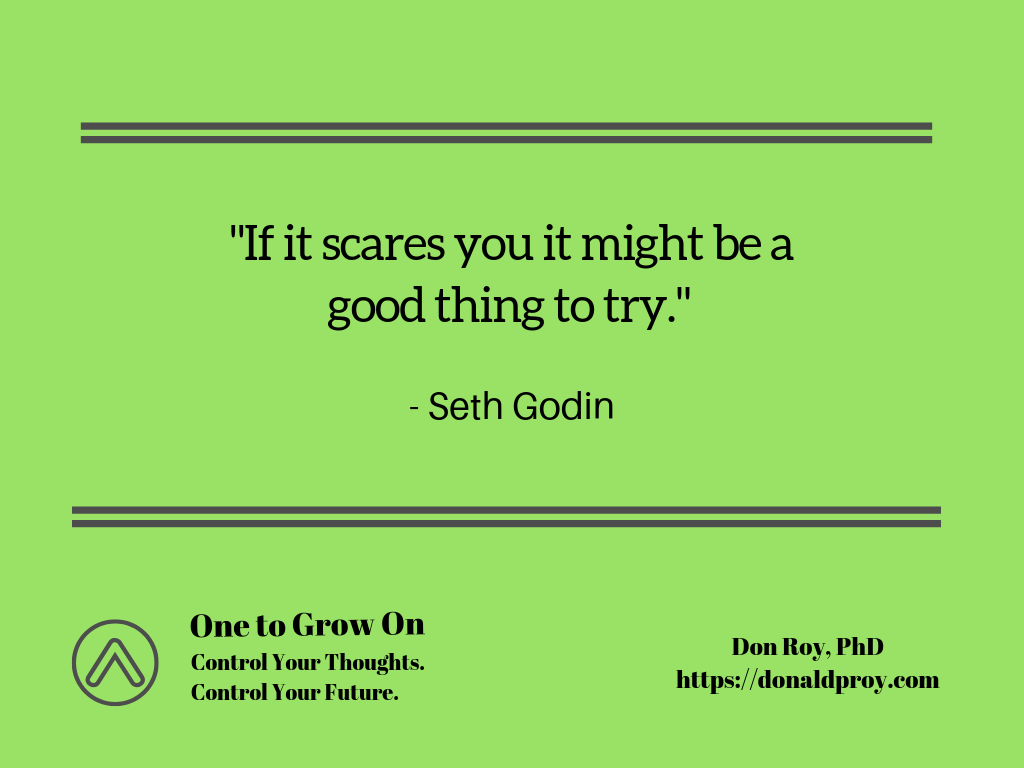
We can use fear as an impetus to act or excuse to withdraw. Author and marketing expert Seth Godin encourages us to allow ourselves to be scared. Are you up for doing the very thing that is the source of worry the next time you are scared ?
It is sad that we enable fear to have power over us in work, relationships, hobbies, and more. Why do we give fear free rein to hold us back? Among the reasons I have observed in my own behavior and others are:
Concern for physical safety. Worries about the effects of an activity on our physical state are among the most common phobias. A list of 10 of the most common phobias includes acrophobia (fear of heights) and aerophobia (fear of flying). Two other fears on the list, arachnophobia (fear of spiders) and ophidiophobia (fear of snakes), are rooted in fears about how these creatures could harm. Although I do not have these fears, I empathize with persons who experience them.
Concern for we are perceived. Social phobia also is on the list of the most common fears. It is a broad category encompassing just about any social situation you can imagine: public speaking, small group interaction, even dining. We are afraid that others will see us as inadequate in some way and may even ridicule our shortcomings. Fear driven by concerns for how we are perceived ultimately are tied to our ego. We do not want to embarrass ourselves because pride could take a hit.
Instead of taking physical or emotional risk, fear holds us back from doing that thing that could harm us or make us look bad. Of course, that thing could also be a source of enjoyment and fulfillment… but we may never know.
Doing that Scary Thing
If you need an example of someone following Seth Godin’s advice, let us look to a young man who overcame a debilitating fear. A video widely circulated on social media recently chronicled the story of a boy named RJ. He had a fear that many people have: aquaphobia (fear of water). RJ’s father shared two videos of the child learning how to dive into water. In the first video, RJ is terrified. My heart broke for him as his body shook while he stood on the board, unable to coax himself to dive in the water.
The second video is also of RJ on a diving board, but the outcome is dramatically different.The uncontrollable shaking no longer grips him. After a few seconds of pondering action, RJ calmly plunges into the water. He did it! My guess is his reaction was similar to other children who overcome a fear to do something for the first time: “I want to do it again.”
RJ’s journey to overcome fear is one from which we can learn. Whether a fear is legitimate or imagined, it is a fear nonetheless. We must overcome fear in order to remove it as an obstacle. RJ’s story also reminds us that we must be patient sometimes when dealing with fear. It took him two years to go from experiencing terror to diving into the pool. The first step is being open to the possibilities of overcoming a fear. RJ could have sworn to never step foot on a diving board again. If he had, the awesomeness of diving into the pool would never have happened.
One More Thing
A final takeaway from RJ’s story of overcoming aquaphobia is a reminder that we should avail ourselves of opportunities to learn from others, including children. Young people can teach us, even if they do not realize they are teaching. Thank you, RJ for showing us how to take on fear. RJ is living proof that if something scares you , it might be a good thing to try.
We use cookies to ensure that we give you the best experience on our website. If you continue to use this site we will assume that you are happy with it.