It’s easy to do what’s expected. Most people stop there.
You’re taking a different path. Your brand isn’t built on what’s expected. It’s built on the unexpected.
The extra note in a package. The follow-up call when you don’t have to. The handwritten “thank you” that no one saw coming.
These moments are your “gift wrap.” They are the unspoken proof that you care. Not because someone will pay you more. Not because it’s in the contract. But because it’s who you are.
People remember the extras. They tell stories about them. They share them with friends. And in the process, they share your brand.
Going the extra mile is not about scale. It’s about intention. Small touches, done with sincerity, build trust faster than any ad campaign.
The unexpected extra is never wasted. Even if no one says thank you. Even if no one notices today.
Because over time, the pattern is clear: This is someone who shows up differently.
Building a strong personal brand takes time, just like planting seeds in a garden requires patience before you see any growth.
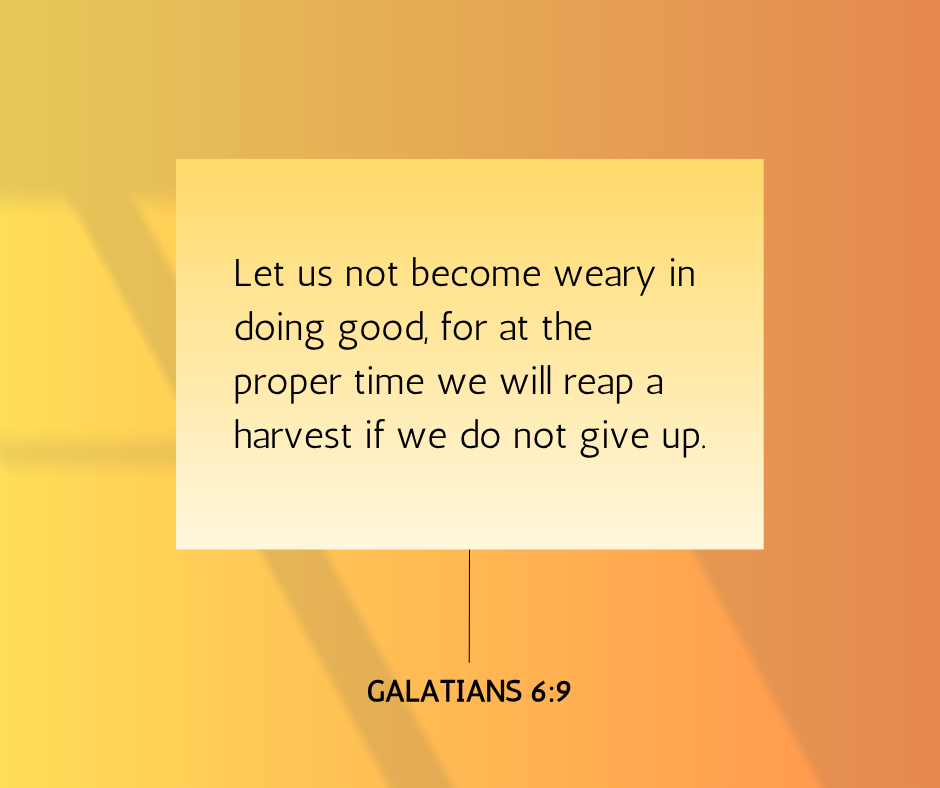
Your personal brand is not something that happens overnight, but rather it is the payoff for showing up consistently, living your values authentically, and serving others with excellence day after day. When you post helpful content on social media, speak kindly to colleagues, or go the extra mile in your work, you’re building trust and reputation one interaction at a time. Many people give up on their personal brand efforts because they don’t see immediate results, but Galatians 6:9 reminds us that persistence in doing good will eventually pay off.
The key to building the personal brand that you desire is staying disciplined in your daily habits, whether that’s creating valuable content, building relationships through networking, or developing your skills, even when you can’t see the progress happening beneath the surface.
Just as farmers trust that their consistent watering and care will eventually produce a harvest, your faithful efforts in building your personal brand will create opportunities, relationships, and success at exactly the right time.
Less than two years after closing its final store, Bed Bath & Beyond is making a surprising comeback. The beloved home goods retailer, which filed for bankruptcy in April 2023, is partnering with Kirkland’s Home to bring back physical stores in 2025.
This revival raises an important question: Can a brand that struggled so much in the past find success again in today’s tough retail world? The answer lies in understanding both the opportunities and challenges ahead. While Bed Bath & Beyond still has valuable brand recognition, the retail landscape that caused its downfall hasn’t gotten any easier.
The Case for Comeback
The biggest reason Bed Bath & Beyond can attempt this comeback is simple: people still know and trust the name. Even after bankruptcy, the brand apparently still had some value when it was sold to Overstock during the bankruptcy proceedings. This brand equity is like having a head start in a race – customers already know what to expect from the Bed Bath & Beyond name. The new partnership with Kirkland’s shows smart planning.
Instead of trying to recreate the massive 80,000 square foot stores that contributed to the company’s downfall, the new stores will be up to 15,000 square feet, with some stores as small as 7,000 square feet. These “neighborhood” stores will be much more manageable and less expensive to operate.
The financial structure also looks more realistic. The brand struck a $25 million partnership with home decor retailer Kirkland’s to open the small-format stores, which is a much smaller investment than the company’s previous expansion efforts. An initial pilot of opening up to five stores reflects a measured, test-first approach rather than rapid expansion that brands often pursue in the name of growth.
Another advantage is timing. The home goods market has remained strong, and many competitors have struggled or closed since Bed Bath & Beyond’s bankruptcy. This creates opportunities for a well-known brand to fill gaps in the market, especially in areas where customers miss having a dedicated home goods store nearby.
The Risks Ahead
Excitement over Bed, Bath, & Beyond 2.0 must be tempered with recognizing current market realities. The same problems that led to Bed Bath & Beyond’s original failure haven’t disappeared. Reversing sales declines won’t be easy given challenges with waning customer demand and rising competition in Bed Bath & Beyond product categories. The home goods market is now dominated by online retailers like Amazon, discount chains like Target, and specialty stores that offer better prices or unique products.
The brand’s reputation also carries some baggage. Many customers’ associations with the brand may be bankruptcy, empty shelves, and store closing sales. The company also fell behind on payments to vendors, and stores did not have enough merchandise to stock shelves. Rebuilding trust with both customers and suppliers will take time and consistent performance.
Many of the brand’s setbacks were self-inflicted, brought on through poor decision-making and financial mismanagement. While new leadership and a partnership with Kirkland’s may help, the retail industry is unforgiving. Small-format stores will need to prove they can compete with online shopping and big-box retailers on both price and convenience.
The partnership structure also creates potential complications. Success will depend on how well two different company cultures work together. If Kirkland’s operational approach doesn’t align with Bed Bath & Beyond’s brand expectations, customers might have a confusing or disappointing experience that could hurt the comeback before it gains momentum.
A Cautious Optimism
Bed Bath & Beyond’s brick-and-mortar return represents both the power of brand equity and the challenges of modern retail. The company’s brand recognition gives it a valuable second chance that most failed retailers never get. However, success is far from guaranteed. The retail environment that contributed to the original bankruptcy remains challenging. The new Bed Bath & Beyond will need to offer a point of difference not currently offered by competitors.
The real test will come when the pilot stores open. If they can provide the product selection, competitive prices, and shopping experience that customers want, Bed Bath & Beyond’s comeback story could inspire other struggling retailers. If not, this revival might be remembered as a cautionary tale about the limits of brand equity in today’s retail world.
For now, home goods shoppers can look forward to seeing those familiar blue and white signs again. The ultimate success of this comeback will depend on whether the new Bed Bath & Beyond can deliver on the promise that made the brand popular in the first place.
Much has been written about the how-to of personal branding.
Less has been said about what happens before and after developing personal branding tactics. So much focus is given to the act of personal branding that what should happen before and after does not get as much play. However, overlooking the before and after risks, you can miss the mark on building the brand you aspire to have.
I have Ichiro Suzuki to thank for prompting me to think about the before and after phases of personal branding.
Yes, that Ichiro Suzuki- a 10-time Major League Baseball All-Star and recent inductee into the National Baseball Hall of Fame.
In his induction speech, Ichiro touched on two keys to his professional success: preparation and accountability. He cited preparation as his way of overcoming doubters that he was too small to compete in MLB. Accountability, taking personal responsibility for his performance, was Ichiro’s priority to ensure he was helping his team.
Ichiro prepared to give his best to fans daily and took responsibility for his performance- no excuses, no deflections.
Ichiro’s speech is worth a few minutes of your time to take in.
The tactics of personal branding are crucial, but don’t forget the before and after steps of preparation and accountability.
Preparation and accountability may not put you in any Hall of Fame, but they can move you closer to becoming the best version of you.
It’s not about shouting your wins or making yourself the center of attention. That path may gain quick likes, but it doesn’t build lasting trust. Pride always catches up with us, and the fall can be public and painful.
If the prospect of self-promotion makes you anxious, know that you can build your brand through serving.
You can build a strong brand without boasting.
In fact, the most powerful brands often speak softly and serve boldly. They ask, “How can I help?” instead of “How can I stand out?” When your focus is on others, people notice… and they remember.
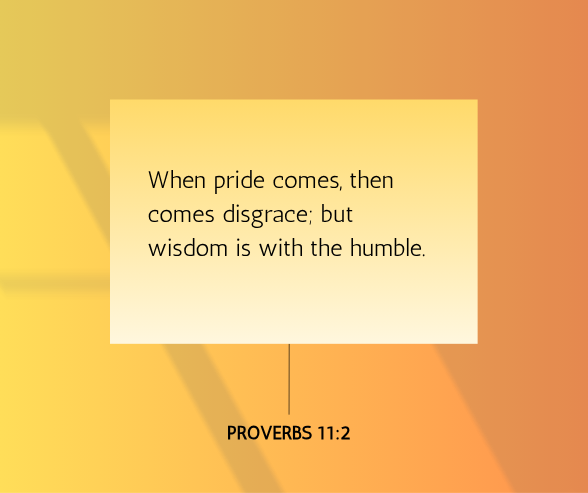
Wisdom is with the humble.
You may be wondering, “Can I really build a distinctive personal brand that’s not teeming with pride?” Yes, here’s how:
Let your work speak. Let your character shine. Let your story invite, not impress.
Think about your online presence, your conversations, and your content.
Are you building a brand that serves, or one that shouts?
This week, look for one way to shift the spotlight off yourself and onto someone else.
There is wisdom in humility, and your brand can reflect that.
In today’s crowded social media world, finding authentic voices to represent your brand can be tough. You need voices that capture attention, project authenticity, and gain trust. The answer to who can fit the bill might be right in front of you: your own employees. Savvy companies are discovering that their workers can be their most powerful influencers. These team members know your products inside and out, and customers value what they have to say more than the messaging in traditional ads.
Your employees have something that paid influencers often lack: real knowledge and genuine passion for your brand. Women’s apparel retailer Aerie is a brand held up as an example in the Digiday article. Their “Associate Picks” series on TikTok features store workers sharing their favorite products. These videos get amazing results – they hold viewers’ attention for over eight seconds, while most TikTok users scroll away after just three seconds. The content feels real because it is real. When a sales associate talks about why they love a certain dress or how it fits, customers believe them.
Ulta Beauty is another retail brand that has enjoyed the fruits of employee influencers. Ulta has found that their associates are “some of the most powerful influencers” because they “live and breathe the brand every day.” This authenticity creates trust that money can’t buy.
Making Employee Influencer Programs Work
Starting an employee influencer program doesn’t have to be complicated. Some companies like Aerie keep it simple; they just give employees the chance to share their favorites on company social media. Others, like Macy’s, offer gift cards or money to participating employees.
The key is finding workers who are excited about your products and comfortable on camera. Look for employees who already love sharing on social media and have good engagement with their followers. Others may be reluctant or not gifted at exerting influence. Enlisting employee influencers should come from among the willing, not a required task for employees to undertake.
Embrace In-House Influencers
Your employees might be the most trusted voices your brand can use. They offer real-life insight, loyal customer followings, and a deep connection to your brand. Rather than only looking outside for influence, look within your own team. Give employees the tools and freedom to share their brand experiences. You may discover a powerful new marketing channel hiding in plain sight.
Your personal brand isn’t just about who you are; it’s about how you build others up.
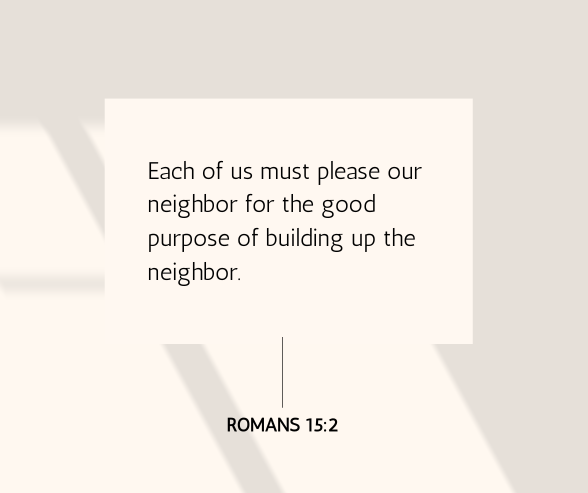
Romans 15:2 reminds us that our aim should be to “please our neighbor for the good purpose of building up the neighbor.” In personal branding, that means focusing not on recognition, but on service. A truly great brand is one that creates value, encourages growth, and uplifts the people it touches.
When we help others thrive, our brand naturally earns trust and respect.
Your influence grows when you focus more on contribution than self-promotion.
An other-focused brand seems contradictory to the “look at me” content passed off as personal branding, but it should be your aim. People remember how you made them feel, what you helped them do, and the hope you inspired. Living out your purpose through service is the most powerful branding strategy there is.
In building others up, we end up creating something lasting and meaningful for ourselves.
This week, reflect on how your personal brand adds value to others—at work, online, or at home.
Ask yourself: “Who am I helping?” and “Am I truly building someone up today?”
That’s how you live Romans 15:2 in a brand-centered world.
The influence of Millennials (Generation Y) and Generation Z on marketing tends to focus on B2C. After all, many B2C brands are targeting (or even launched by) that very demographic. Don’t sleep on the potential influence of young marketers in the B2B space. B2B marketing is evolving, and the next generation is leading the charge. Millennials and Gen Z bring fresh ideas, digital fluency, and a desire for authentic engagement.
These are vital traits that today’s B2B brands desperately need. Tapping into their perspectives isn’t just nice—it’s smart business. A recent Marketing Profs article, “Why Millennials and Gen Z Make Good B2B Marketing Leaders,” touts the insights younger professionals can bring to developing brand strategy.
Digital Natives with Data Skills
Younger marketers grew up in a digital world, and it shows in their strengths. According to the article, 52% of Gen Z professionals are skilled in data analytics, compared to just 29% of Gen X. Additionally, 62% believe Gen Z is comfortable with technology, equipping them to use new tools and platforms.
This matters because B2B success increasingly depends on smart data use and leveraging new technologies that increase productivity. These generations don’t just read metrics; they interpret them, apply them, and adjust campaigns accordingly.
Purpose-Driven and Human-Centered
Millennials and Gen Z aren’t just focused on performance. They prioritize caring for people and purpose. In fact, 61% of Gen Z say company values are very important in employer choice.
That same mindset shapes how they connect with audiences. They know B2B buyers are people too, and their campaigns reflect empathy, relevance, and transparency. This human-centered approach can build stronger brand trust and longer customer relationships.
The Kids Are Alright
The future of B2B branding is not just about platforms and funnels. Perspectives on creating authentic, engaging brands are desperately needed. Younger marketers bring values, skills, and a mindset that align with where the B2B world is headed. Brands that embrace their influence now will be better positioned for long-term relevance and success.
Millennial and Gen Z marketers may be future C-suite leaders, but we need not wait until they ascend to that level to tap their wisdom.
You already have a personal brand, even if you’ve never given it a second thought.
It’s shaped by how you show up, what you do, and how you treat others. It exists whether you manage it or not. But here’s the good news: you get to shape it into something meaningful and lasting.
That’s a gift, not a burden.
Too many people ignore their personal brand because they think it’s all about “grunt work” like content creation and networking.
No, your brand is more than that—it’s your values, your actions, and your impact. It’s your reputation and the legacy you are building along the way. Have gratitude that you have the freedom to shape your brand into something you’re proud of.
That freedom is a privilege. Don’t waste it.
Take time today to be thankful for your personal brand, and take steps to grow it with purpose.
Most personal brands struggle for attention because they’re not clearly seen, known, or trusted.
If you are looking to assign blame for the attention deficit, you may find the answer by looking in the mirror. People can’t choose you if they don’t know you exist. That’s why visibility matters.
If you’re not showing up, you’re not being considered.
Even if people see you, they need to understand what you offer and why it matters.
In other words, exposure is not enough. You may be posting three pieces of content daily, but if there is not a coherent, unifying message, it may be little more than noise. Your point of difference, unique value proposition, positioning—however you look at it—must be clearly understood.
Awareness is better than no awareness, but relevance must be established, too.
Trust is the final gate—without it, no one moves forward.
These same factors, awareness, relevance, and trust, are in play for B2B and B2C brands. When you are not on buyers’ short lists, it is likely due to a deficit in one or more of these factors. They apply whether you are a local business or a national brand.
Visibility, clarity, and credibility make the difference between being seen and being selected.
Want to stay off the short list? Stay invisible, unclear, and unproven. Want to get on it? Show up, speak clearly, and build a reputation that earns trust. Being overlooked often isn’t about a lack of talent as much as a lack of brand-building.
That’s how you move from being ignored to being in demand.
We use cookies to ensure that we give you the best experience on our website. If you continue to use this site we will assume that you are happy with it.