
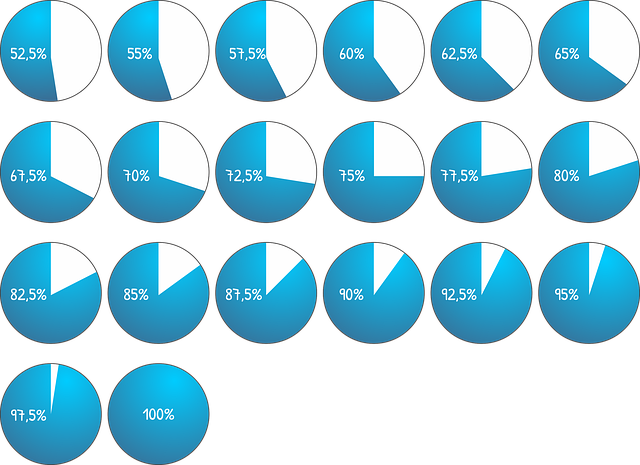
Pursue the 95%

In a marketing analytics course I am teaching, we began studying marketing metrics as we entered Week 3 of the semester. I am on the lookout for clues about a class’s subject knowledge and willingness to engage during the early stages of the semester. An observation made by a student gives me optimism about how the class will go.

Introducing Brand Penetration

Among the first metrics introduced in the course is brand penetration. Its calculation is straightforward, dividing a brand’s customer count (individuals, households, or businesses) by the total size of the market. How much of the population has a brand captured? I often tell students that interpretation and action are even more important than calculation. What do we do with the information? How can knowing brand penetration help us make more informed marketing decisions?

Interpretation is Everything

An example I shared with the class included a brand having a brand penetration rate of 5%. Once we have the metric in hand, we clarify its interpretation (5% of what?). Then, the all-important question: How can we use this information to our advantage? A refreshing answer came from Justin, seated in the front row. He observed, “95% of the population has not bought the brand.”

Justin’s observation was simple yet powerful. It may be tempting to focus on a 5% brand penetration rate as weak performance in the market; perhaps it is. The flip side is that opportunity may be found among the 95% who have not bought your brand.

A 95% Full Glass

It would be naive to believe all non-customers could become brand adopters. The reality is that not everyone wants what you offer. Some people think it is too expensive. Others think the quality is inferior. Yet others have heard from a friend about a bad experience doing business with you and have little trust.

That said, there are likely new customers to be found among consumers or businesses not buying from you now. There is a tendency to nurture (even cling to) our current customers and not put enough focus on customer acquisition. Sometimes, the pendulum swings too far the other way, and more attention is given to acquiring the customer than serving them once they become customers.

In addition to pursuing more customers in the quest for higher brand penetration, the answer for increasing brand penetration may be to fix internal flaws. A low brand penetration rate may signal marketing mix issues that need to be addressed (e.g., poor distribution, low brand awareness, or price disadvantage). Correcting weaknesses in marketing strategy could yield a higher brand penetration rate.

Seek the Why

Another point of emphasis when I teach marketing analytics is that I caution students about the limitations of metrics. For example, rate metrics like brand penetration are valuable for giving a read on marketing performance. They are also useful for tracking performance over time and comparing to industry averages.

What is missing? Understanding why performance reflected by rate metrics is what it is, good or bad. Rate metrics can signal the need to dig deeper to understand performance, expose problems, or uncover opportunities.

Seek the why for performance. Then, it is your time to shine as a marketer by making decisions that create value for customers and your organization.

Holding on to the Past: The Good and the Bad

My 10-year-old son recently discovered the joy of watching “The Andy Griffith Show.” As I watched an episode with my son, I received far more pleasure watching his reactions than I did from the show. One of the reasons for my response is the good feeling I got that my son was being entertained by a show that had done the same for me when I was his age. As a marketer, it reinforced the power that nostalgia can have as a connection point with consumers. Nostalgia can remind us of younger days, simpler times, or a place that we never experienced but longed to understand. I think of the retro-architectural designs of many new professional baseball stadiums today that give a nod to the physical appearance of baseball parks a century ago. Building a bridge to the past with a product or experience today can be a persuasive emotional hook to attract customers.

Beware, though, as the past can be a dangerous place to look for marketing ideas. At about the same time I was reflecting on my son’s attraction to classic TV, I read an article by Pat LaPointe titled “SOV is DOA.” He cautions against use of a measure of marketing effectiveness known as Share of Voice (SOV). This measure compares a brand’s measured advertising spending to the entire category’s ad spend. The assumption has been that a brand’s SOV should mirror its market share. For example, if a brand has an 8% market share, it should have at least an 8% share of voice. The logic of the SOV/market share relationship is understandable, but does that mean we should be concerned with our SOV? How does it translate to building and nurturing customer relationships?

The title of Pat LaPointe’s article says it all: SOV is DOA. While LaPointe addresses a specific measure of marketing effectiveness, the takeaway from his piece is a challenge to question the applicability and relevance of the measures we use to assess performance. Just because SOV has been used for years and is widely recognized and understood, that does not mean it is a key indicator of marketing impact today. Customers change, the external environment changes, strategic priorities change, so should we not anticipate the need to change how we measure marketing productivity?

Marketing Metrics Must Be Embraced

A recent article in Advertising Age by Patrick Sarkissian garnered more than 70 comments in the three days following its posting to the Ad Age web site. The title of the article was “Why Metrics Are Killing Creativity in Advertising.” The article title and message created two camps among commentators: 1) creativity is being stifled by an overuse of metrics, and 2) cries of infringement on creativity is really an unwillingness to accept accountability. Strong, passionate arguments were made for both sides of the issue.

The main concern I had after reading some comments from those persons who believed creativity is being stifled by metrics is that there is a belief among some creatives that metrics cannot (or at least should not) be applied to their work. One argument that I buy is that brand relationships are often based on emotional bonds with customers. The development and nurturing of those bonds falls into a difficult area to measure in terms of ROI. Rather than fighting the incorporation of metrics to measure advertising performance, creatives should embrace metrics with an eye toward how a creative effort can be measured during the development stage of a campaign or even a single message.

I see parallels between the views of some creatives on the use of metrics and the views of some academics on using assessment tools to evaluate student learning. Some professors complain that assessment infringes on their academic freedom to teach a subject in the manner in which they deem appropriate. On the contrary, assessment is about setting learning outcomes and measuring whether students learned (i.e., using metrics to determine performance). Investment and implementation without assessment is a scary thought, whether it be in higher education or advertising. The bottom line is accountability, and using metrics is done in the name of making people accountable for decisions and performance. While some comments to Sarkissian’s article correctly point out that metrics used must be valid and measure relevant outcomes, the point that measurement of marketing investments is perhaps more necessary today than ever cannot be dismissed.